Understanding Water Damage Restoration
Choosing the exemplary water damage restoration service in Tampa, Florida, can be overwhelming. With the unpredictable weather and the risk of natural disasters, the need for professional help is undeniable. This page will guide you through the essential information about water damage restoration to help you make an informed decision.
- County
- Hillsborough
- Population
- 384,9592020 census
- Annual precipitation
- 49.5 in1991–2020 normals
Population: 2020 United States census. Precipitation: NOAA 1991–2020 climate normals, as published in each city’s Wikipedia climate table.
Water Damage Restoration Process
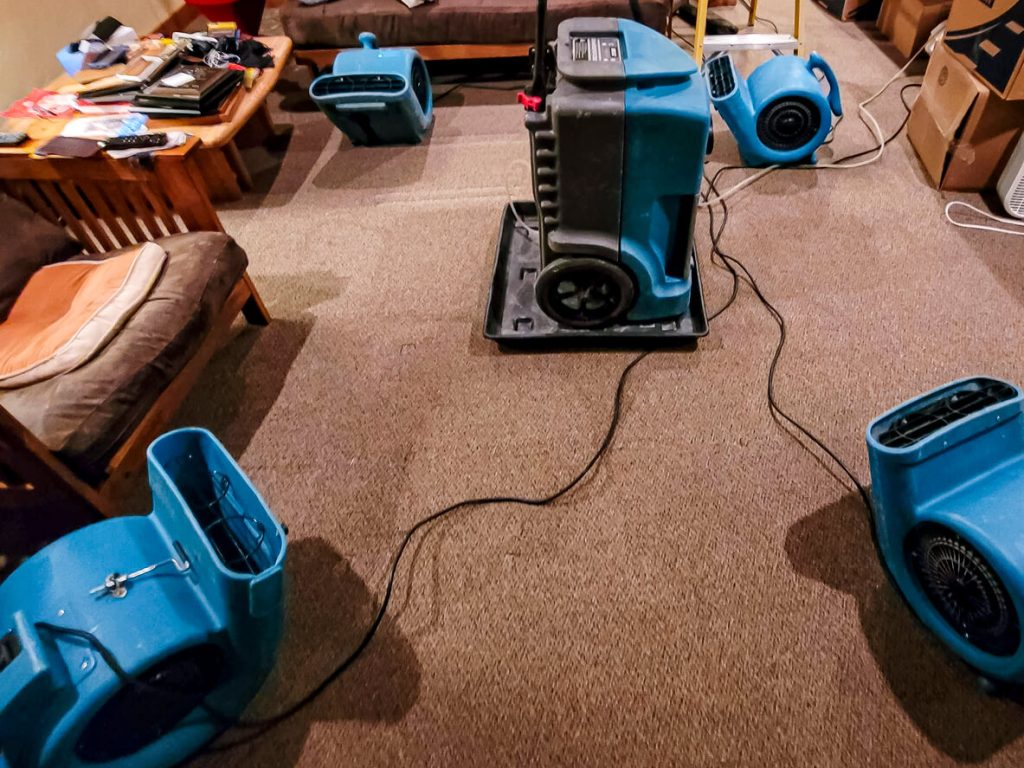
Water damage restoration is repairing and restoring properties affected by water damage, which can come from various sources, such as flooding, heavy rainfall, or plumbing leaks. The process typically involves several steps:
Water extraction
Removing standing water using specialized equipment, such as pumps and vacuums.
Drying
Accelerating evaporation to remove moisture from building materials and interior spaces.
Dehumidification
Reducing humidity levels to deter mold growth and prevent further damage.
Sanitizing
Disinfecting affected areas to eliminate any health risks caused by mold, bacteria, or other contaminants.
The Water Damage Restoration Industry in Tampa
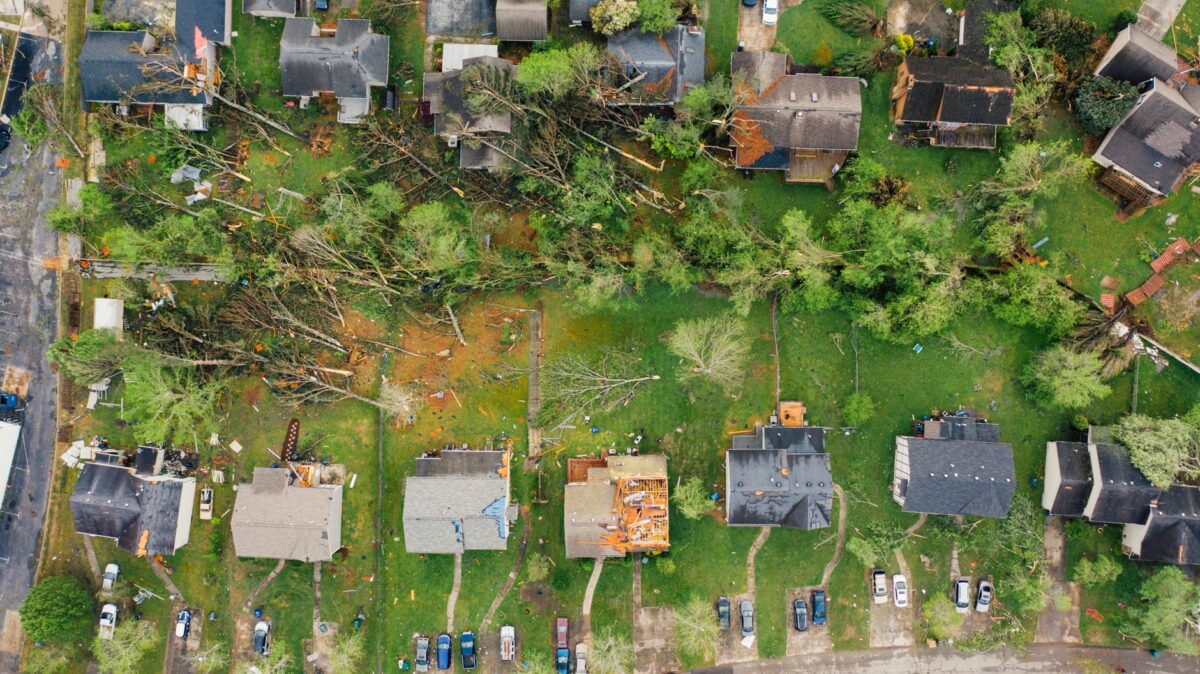
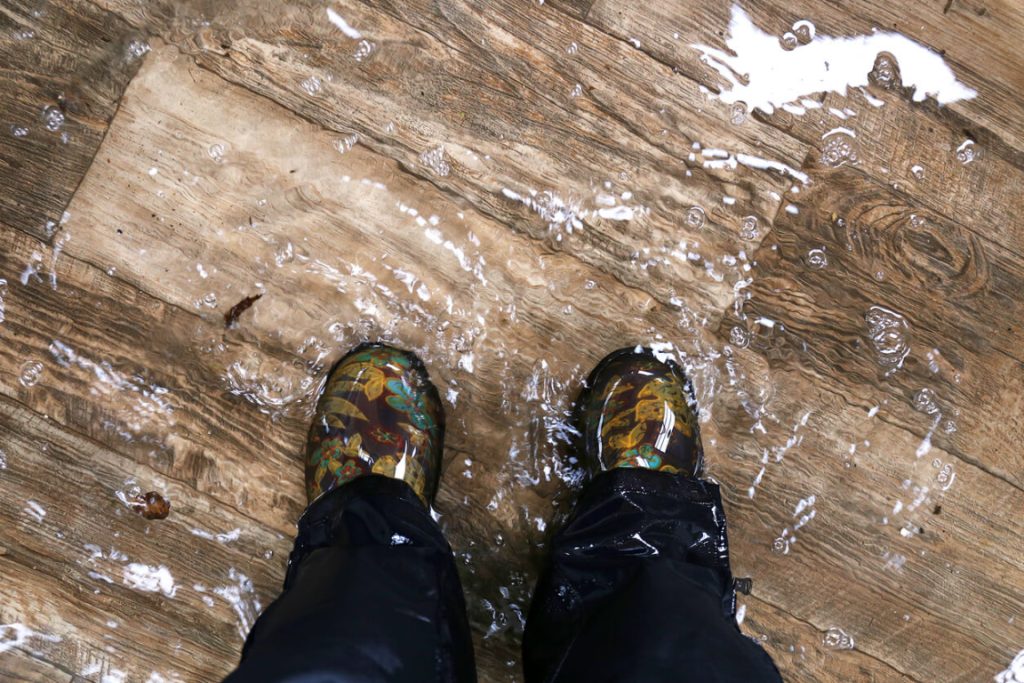
Tampa’s water damage restoration industry is a growing market fueled by the city’s vulnerability to natural disasters like floods and hurricanes. Hiring a professional service is essential due to the swift response needed to mitigate damage and prevent hazardous mold growth in Tampa’s humid environment.
Water damage restoration companies in Tampa typically offer various services, including water extraction, drying and dehumidification, structural repairs, and mold remediation. The industry professionals are equipped with the knowledge, skills, and necessary tools to navigate the complexities of each water damage scenario.
How to Choose a Water Damage Restoration Company
Experience & Certifications
Seek a company with IICRC or RIA. These credentials indicate adherence to industry standards and specialized knowledge.
Availability & Response Time
Choose a company that offers 24/7 emergency services and is known for its quick response to minimize damage.
Equipment & Techniques Used
Ensure that the company employs advanced equipment and up-to-date technologies to provide effective and efficient services.
Cost & Insurance Assistance
Compare prices and inquire about any discounts or promotional offers. Ask if the company can help with insurance claims to streamline the process.
Water Damage Costs & Insurance Claims
Repair Costs
The cost of water damage repair services in Tampa can vary depending on several factors, such as:
- The extent of the damage: Larger, more severe cases will result in higher costs.
- Location: Repair costs can differ based on your property’s location in Tampa.
- Type of damage: Some damage types may be more challenging to repair, resulting in higher costs.
While finding the most cost-effective solution is essential, avoid low-priced services that may sacrifice quality. Remember, investing in proper restoration services can save money in the long run by preventing mold growth and further damage.
Insurance Claims
Water damage insurance claims can be complicated and stressful. Here are some tips to navigate the process more efficiently in Tampa, Florida:
- Document all damage: Take photos and videos of the affected areas and list damaged items.
- Contact your insurance company promptly: Notify your insurer about the water damage immediately. They will guide you through the following steps.
- Keep all receipts: Maintain a record of all expenses relating to the water damage, including temporary accommodations or repairs.
Some water damage restoration companies in Tampa also offer assistance with insurance claims, making the process smoother and ensuring an accurate damage assessment.
Water Damage Prevention Tips
While water damage can be unpredictable, there are measures you can take to minimize the risk in your Tampa home or business:
- Regularly inspect plumbing systems, roofs, and windows for leaks or damage.
- Maintain proper drainage around your property to prevent water from collecting near the foundation.
- Install a sump pump in your basement to remove excess water during heavy rainfall or flooding.
- Invest in a water alarm system to alert you to leaks or flooding.
Conclusion
As the information above shows, hiring a professional water damage restoration company in Tampa, Florida, is critical. The water damage restoration companies must be considered, but always research and select the one that best suits your needs. Acting quickly and making informed decisions is the key to successful water damage restoration and achieving the best possible outcome for your property.
Frequently asked questions
What affects the cost of water damage repair in Tampa?
Three things: the extent of the damage, since larger and more severe cases cost more; the location of the property within Tampa; and the type of damage, as some kinds are harder to repair. Compare prices and ask about discounts, but be wary of low-priced services that sacrifice quality, because proper restoration prevents mold and further damage and can save money over time.
What should I do first after water damage in Tampa?
Act quickly, because Tampa's humid environment allows hazardous mold to grow if a swift response is delayed. Document all damage with photos and videos and list damaged items, notify your insurance company immediately so they can guide the next steps, and keep every receipt, including for temporary accommodation or repairs. Some restoration companies in Tampa also help with the claim to secure an accurate damage assessment.
What happens during water damage restoration in Tampa?
Standing water is extracted with pumps and vacuums, then drying accelerates evaporation from building materials and interior spaces. Dehumidification lowers humidity to deter mold and further damage, and sanitizing disinfects affected areas to remove health risks from mold, bacteria or other contaminants. Tampa companies typically also offer structural repairs and mold remediation, and the market is growing because of the city's exposure to floods and hurricanes.
Which certifications should a Tampa restoration company have?
Seek a company holding IICRC or RIA credentials, which indicate adherence to industry standards and specialized knowledge. Also check that it offers 24/7 emergency services, uses advanced equipment and current techniques, and can help with insurance claims. Separately, Florida licenses mold assessors and mold remediators through the Department of Business and Professional Regulation, and any license can be verified on the department's public search.
How can I prevent water damage to a Tampa home?
Regularly inspect plumbing systems, roofs and windows for leaks or damage, and maintain proper drainage so water does not collect near the foundation. Install a sump pump in the basement to remove excess water during heavy rainfall or flooding, and invest in a water alarm system that alerts you to leaks. Water damage cannot always be predicted, but these steps reduce the risk.
Before you hire anyone
Check the license, and know what your policy covers, before restoration starts in Tampa
Florida licenses mold assessors and mold remediators through the Department of Business and Professional Regulation, and any license can be verified on the department’s public search. The Department of Financial Services explains what a homeowners policy has to do after a claim and how long an insurer has to respond, and the Division of Emergency Management explains why flood is the standard exclusion and what to do after one. We are a publication, not a restoration company, and we do not recommend individual firms.
Florida mold licensing and the DBPR license searchHomeowners insurance claims (Florida DFS)Floods and flood insurance (Florida DEM)More on water and storms
Water damage guides for other Florida cities
Jacksonville
The common causes, the restoration process, mold and emergency work, and how a claim runs.
Miami
The common causes in a hurricane city, the restoration process, choosing a company and prevention.
Orlando
An overview of restoration in the city, choosing a company, claims and prevention.
St. Petersburg
The types of restoration service, insurance claims, the process and why certification matters.
Port St. Lucie
The process in detail, four local companies listed plainly, common scenarios and prevention.