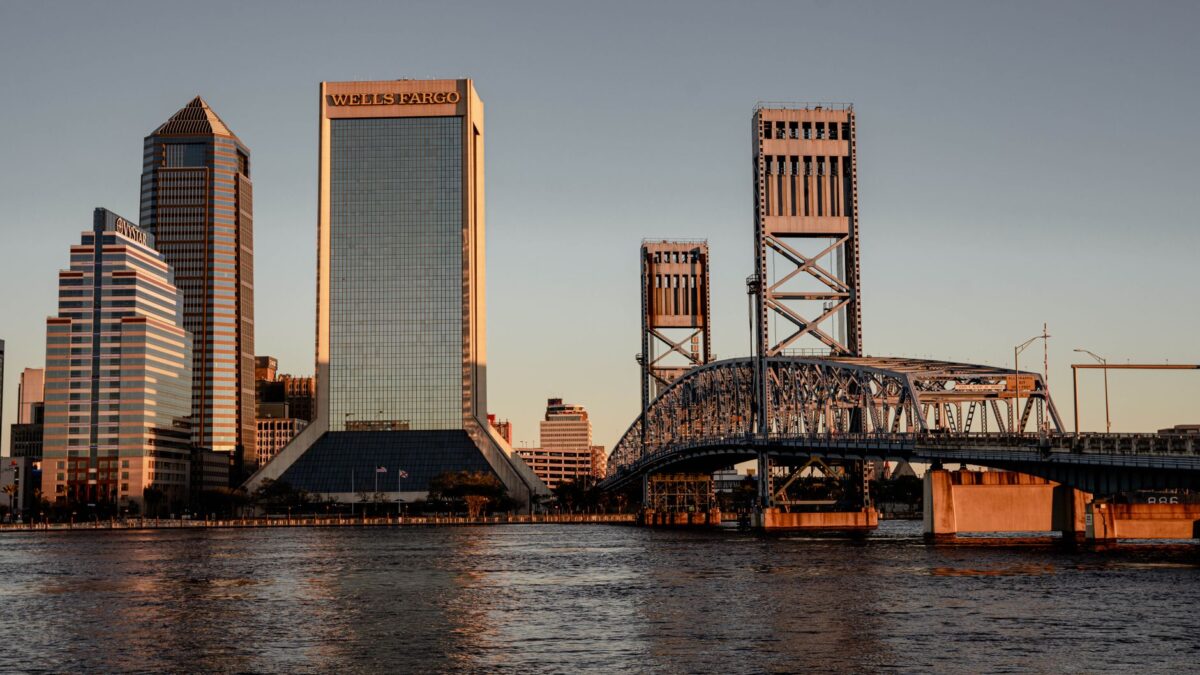
Understanding Water Damage Restoration
In Jacksonville, Florida, water damage restoration is essential for homeowners facing the overwhelming aftermath of damage caused by storms, leaks, floods, or other disasters. A timely and efficient restoration service can save you time, money, and stress. With so many water damage restoration providers in the Jacksonville area, selecting the right company can make all the difference. This guide aims to provide valuable information about the industry and assist you in finding the best services available.
- County
- Duvalconsolidated with the city
- Population
- 949,6112020 census
- Annual precipitation
- 52.8 in1991–2020 normals
Population: 2020 United States census. Precipitation: NOAA 1991–2020 climate normals, as published in each city’s Wikipedia climate table.
Common Causes of Water Damage in Jacksonville, Florida
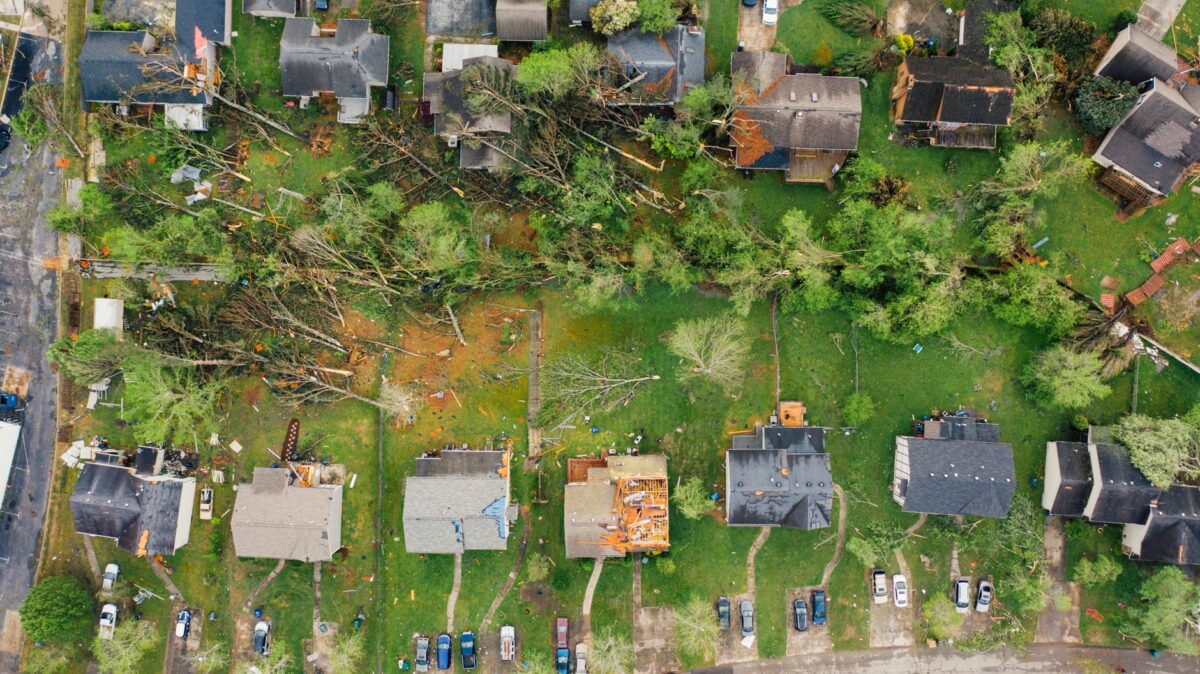
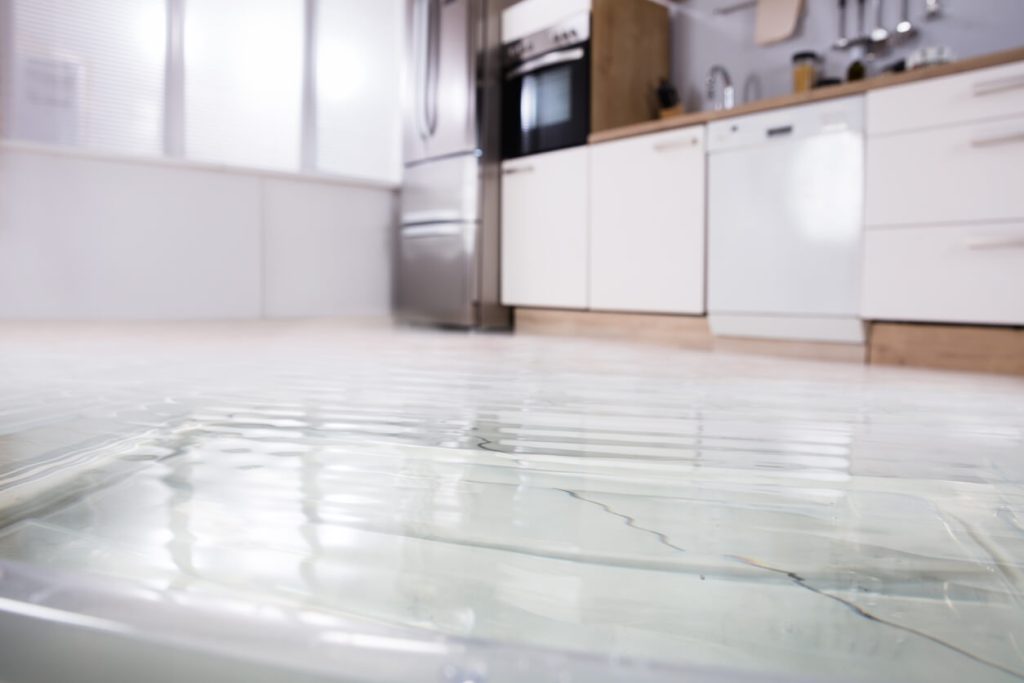
Jacksonville’s coastal location exposes it to a variety of risks.Some common causes of water damage in the area include:
- Hurricanes and tropical storms
- Heavy rain or thunderstorms
- High tides and storm surges
- Flooding
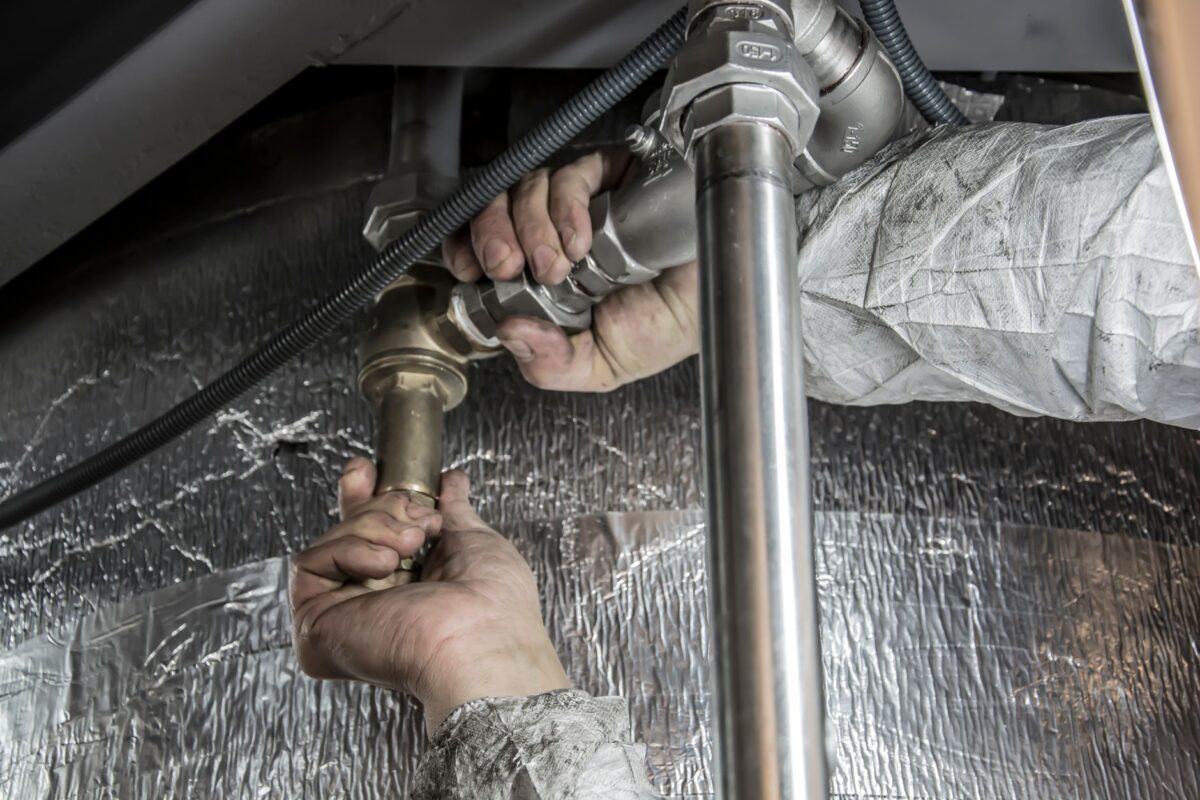
- Leaking roofs or pipes
- Sewage backups
What Is Water Damage Restoration?
Water damage restoration is restoring a property damaged by water intrusion and returning it to its pre-loss condition. It involves removing water, drying out the area, cleaning and repairing any damaged materials, and caring for any potential mold growth.
Why Is Water Damage Restoration Necessary?
Neglecting to address water damage can cause long-term problems, such as structural damage, water contamination, odors, and mold growth. Prompt water damage restoration services help maintain the value of your home, protect your health, and save money on extensive repairs.
The Water Damage Restoration Process
The intricacies of the restoration process depend on the severity of the damage. Generally, the process consists of a few essential steps:
- Assessment: A professional assesses the extent of the damages and prepares an estimate.
- Water removal: Standing water is removed using specialized equipment.
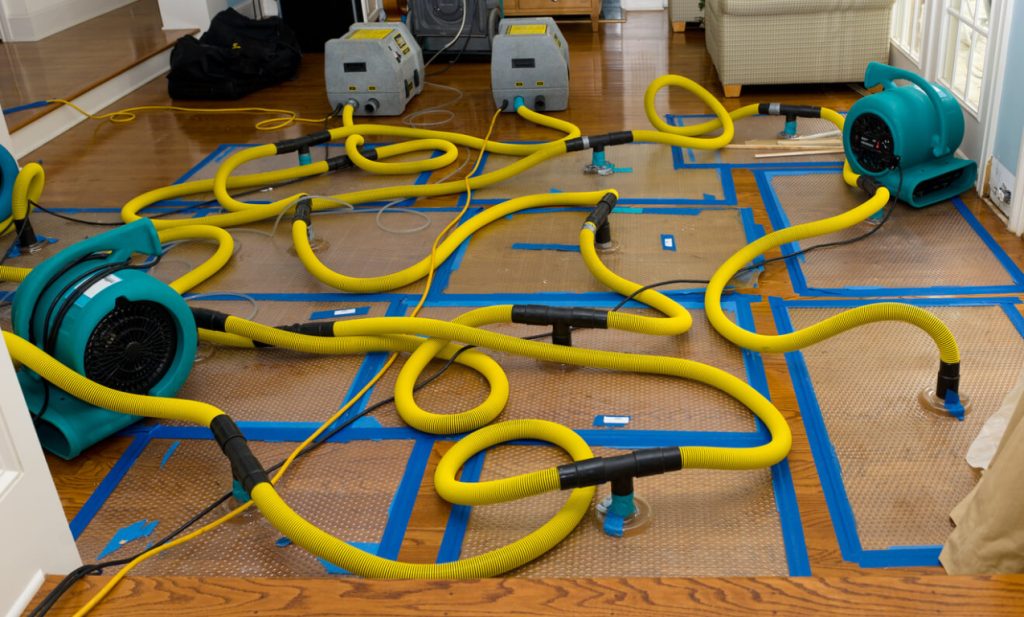
- Drying and dehumidification: The affected areas are dried using air movers and dehumidifiers.
- Cleaning and sanitization: The area is cleaned, disinfected, and any damaged materials are removed.
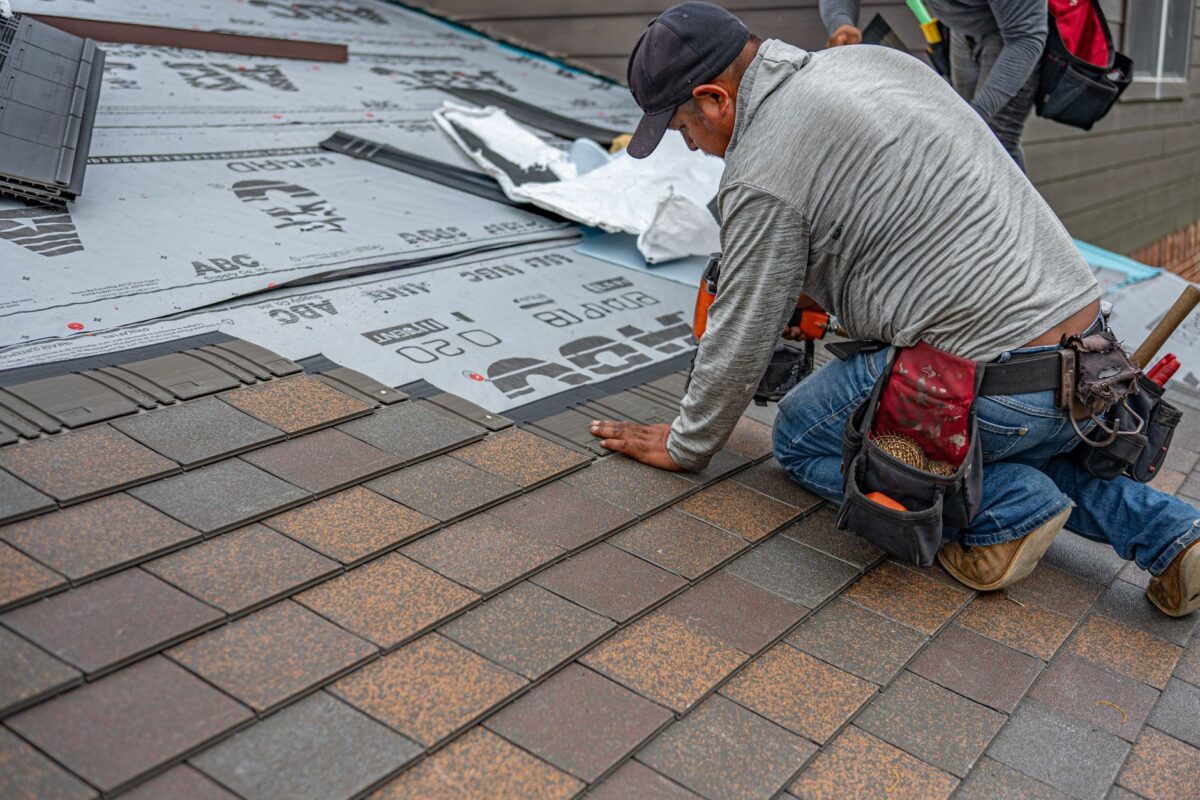
- Restoration: The property is restored to its original state, including repairs and replacements.
Navigate Water Damage Restoration Services
How to Find the Best Water Damage Restoration Company:
- Ask for recommendations from friends or neighbors.
- Read online reviews or consult the Better Business Bureau to validate a company’s reputation.
- Visit their websites or social media for more information.
- Call prospective companies to inquire about their services and obtain quotes.
Mold Remediation
- Identifying the mold source and extent of contamination
- Containing the affected area to prevent the spread of spores
- Removing any mold-infested materials
- Clean and sanitize the affected area
- Address the underlying moisture problem to prevent future mold growth
Emergency Water Removal
- 24/7 emergency response availability
- Rapid arrival on-site
- Advanced water extraction equipment
- Certified and experienced technicians
- Structural Drying and Dehumidification
Benefits of Hiring Professional Help for Water Damage Restoration
Hiring professionals to restore your home ensures the process is handled with expertise, training, and equipment. Professionals use specialized tools and techniques to quickly remove water, thoroughly dry your property, and eliminate contaminants or mold.
Factors to Consider When Choosing a Provider
Experience
Check if the company has an established history and proven expertise in the industry.
Certifications
Check if the company or provider has certified water restoration technicians.
Availability
Check if they offer 24/7 emergency services, with dedication to addressing your needs.
Insurance
Check if they have experienced in helping clients with insurance claims to ensure a hassle-free process.
Pricing
Look for a company that quotes upfront to avoid hidden fees or surcharges.
Insurance Claims and Water Damage Restoration
How Insurance Claims Work
Homeowners’ insurance policies cover most types of water damage restoration, provided the damage was sudden and accidental. However, some exclusions, such as flood damage, may require a separate policy.
Importance of Insurance Claims
A water damage restoration company experienced with insurance claims can help you navigate the process efficiently. They can assist in documenting the damages, offering expert opinions, and working directly with your insurance provider to submit claims, simplifying the process and ensuring a proper payout.
How to File for Insurance Claims
- Document all damages with photos and videos.
- Review your insurance policy to understand your coverage.
- Contact your insurance provider immediately to initiate the claim process.
- Keep receipts for any expenses related to the water damage.
- Work with your water damage restoration company to provide the necessary documentation to your insurance provider.
Conclusion
As a homeowner in Jacksonville, Florida, knowing the ins and outs of water damage restoration is crucial for ensuring your home’s long-term health and value. With this information, you can confidently choose the best water damage restoration company and easily handle emergencies.
Frequently asked questions
What usually causes water damage to homes in Jacksonville?
Jacksonville's coastal location exposes it to hurricanes and tropical storms, heavy rain and thunderstorms, high tides and storm surges, and flooding. Inside the home, leaking roofs or pipes and sewage backups are also common. Left unaddressed, water damage can lead to structural problems, water contamination, odors and mold growth, which is why prompt restoration is the way to protect a home's value and the health of the people living in it.
Does homeowners insurance cover water damage in Jacksonville?
Usually, with a condition. Homeowners policies cover most types of water damage restoration provided the damage was sudden and accidental. Flood damage is a standard exclusion and may need a separate policy. The Florida Department of Financial Services explains what a homeowners policy has to do after a claim and how long an insurer has to respond, and the Division of Emergency Management explains why flood is excluded and what to do after one.
What should I do first when filing a water damage claim?
Document all damage with photos and videos, then review your policy so you understand what it covers. Contact your insurance provider immediately to start the claim, and keep receipts for every expense related to the water damage. A restoration company experienced with claims can help by documenting the damage, offering expert opinions and supplying the paperwork your insurer needs, which simplifies the process and supports a proper payout.
How do I choose a water damage restoration company in Jacksonville?
Start with recommendations from friends or neighbors, read online reviews and check a company's reputation with a consumer ratings organization, then look at their websites and call for quotes. Check for an established history, certified water restoration technicians, 24/7 emergency availability, experience with insurance claims and upfront pricing without hidden fees. Florida licenses mold assessors and remediators through the Department of Business and Professional Regulation, and any license can be verified on its public search.
What does mold remediation involve after water damage?
Remediation starts by identifying the mold source and the extent of contamination, then containing the affected area to stop spores spreading. Mold-infested materials are removed, the area is cleaned and sanitized, and the underlying moisture problem is addressed so mold does not return. In Florida, mold assessors and mold remediators are licensed through the Department of Business and Professional Regulation, and a license can be checked on the department's public search before work begins.
Before you hire anyone
Check the license, and know what your policy covers, before restoration starts in Jacksonville
Florida licenses mold assessors and mold remediators through the Department of Business and Professional Regulation, and any license can be verified on the department’s public search. The Department of Financial Services explains what a homeowners policy has to do after a claim and how long an insurer has to respond, and the Division of Emergency Management explains why flood is the standard exclusion and what to do after one. We are a publication, not a restoration company, and we do not recommend individual firms.
Florida mold licensing and the DBPR license searchHomeowners insurance claims (Florida DFS)Floods and flood insurance (Florida DEM)More on water and storms
Water damage guides for other Florida cities
Miami
The common causes in a hurricane city, the restoration process, choosing a company and prevention.
Tampa
The restoration process, the local industry, repair costs and insurance claims, and prevention.
Orlando
An overview of restoration in the city, choosing a company, claims and prevention.
St. Petersburg
The types of restoration service, insurance claims, the process and why certification matters.
Port St. Lucie
The process in detail, four local companies listed plainly, common scenarios and prevention.