Water damage can strike unexpectedly, causing significant upheaval and stress. Whether it’s a ruptured pipe, a storm surge, or a flooding incident, addressing water damage promptly is critical. Water damage restoration contractors in Port St. Lucie have the knowledge and skills to address such events quickly and efficiently, preventing more damage and restoring your property to its former state.
- County
- St. Lucie
- Population
- 204,8512020 census
- Annual precipitation
- 51.2 in1991–2020 normals
Population: 2020 United States census. Precipitation: NOAA 1991–2020 climate normals, as published in each city’s Wikipedia climate table.
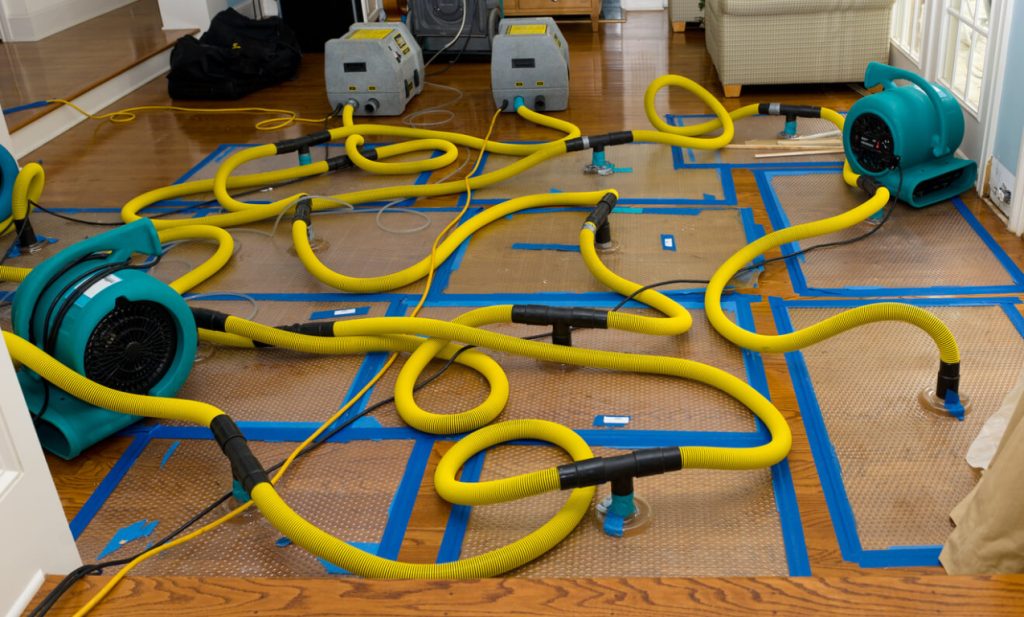
Water Damage Restoration Process
Restoring your property to its pre-damage state requires a number of important steps in the water damage restoration process. Every action is carefully thought out and carried out to reduce damage and stop recurring problems like mold growth. Below is an expanded look at each phase of the water damage restoration process.
Damage Assessment and Inspection
The process begins with a thorough inspection and damage assessment by trained professionals. The first step is essential to determining the severity of the damage and creating a successful restoration plan.
Tools and Techniques:
- Moisture Meters: These devices measure the moisture content in various materials to identify hidden areas of water damage.
- Thermal Imaging Cameras: These cameras detect temperature differences within walls, floors, and ceilings to locate moisture pockets not visible to the naked eye.
Water Extraction
Once the areas of water damage are identified, the next step is water extraction. Timely water removal is critical to prevent further deterioration and to mitigate the growth of mold and bacteria.
Equipment Used:
- High-Powered Pumps: These pumps are designed to remove large volumes of standing water quickly.
- Industrial-Grade Vacuums: These vacuums are used to extract water from carpets, padding, and upholstery efficiently.
Drying and Dehumidification
After the bulk of the water is extracted, the property undergoes a thorough drying and dehumidification process. This step is vital to eliminate residual moisture that could cause structural damage and facilitate mold growth.
Drying Equipment:
- Dehumidifiers: Industrial-grade dehumidifiers remove moisture from the air, expediting the drying process.
- Air Movers: These powerful fans circulate air throughout the affected areas, helping to dry walls, floors, and ceilings uniformly.
Importance:
- Prevents Structural Damage: Extended exposure to moisture can weaken structural elements like wood and drywall, leading to warping and swelling.
- Inhibits Mold Growth: Mold can begin to grow within 24-48 hours of water exposure. Proper drying reduces this risk significantly.
Cleaning and Sanitizing
Once the property is thoroughly dried, the next phase involves cleaning and sanitizing the affected areas. This step ensures the environment is safe and free from contaminants.
Cleaning Agents:
- Specialized Cleaning Agents: These are used to clean surfaces and belongings, removing dirt, grime, and bacteria.
- Antimicrobial Treatments: These treatments stop the growth of harmful microbes like mildew and mold.
Procedures:
- Surface Cleaning: All affected surfaces are scrubbed and sanitized.
- Content Cleaning: Personal belongings, such as furniture and electronics, undergo cleaning and deodorization.
Restoration and Repairs
The final step in the water damage restoration procedure is the actual restoration of the property. Depending on the degree and scope of the damage, this stage might involve anything from small repairs to major reconstruction.
Types of Repairs:
- Minor Repairs: Includes tasks like replacing drywall, carpeting, and baseboards.
- Major Reconstruction: This may involve rebuilding entire rooms, including structural repairs and electrical and plumbing work.
Restoration Goals:
- Return to Pre-Damage Condition: All affected surfaces are scrubbed and sanitized.
- Improved Safety and Durability: Restoration work often includes upgrades to prevent future water damage.
Why Professional Water Damage Restoration Is Essential
Taking on water damage restoration tasks by yourself may result in insufficient drying, unseen mold development, and possible health hazards. Professional water damage restoration companies bring expertise, equipment, and comprehensive services to ensure your property is fully restored and safe.
By following these steps, professionals ensure that all areas are properly addressed, mitigating the chance of future problems and helping you get back to your normal life as quickly as possible.
Importance of Timely Restoration
Timing is essential when restoring water damage. Acting quickly reduces the damage and lowers the possibility of mold growth, which can happen 24 to 48 hours after exposure to water. Postponements may result in more damage and more expensive repairs. Quick action from qualified water damage restoration experts guarantees the successful and efficient restoration of your property.
Four restoration companies with offices in Port St. Lucie
The four companies below have offices in Port St. Lucie and publish the services, addresses and phone numbers shown, which are theirs and may change. We have not assessed any of them, this is not a ranking, and we do not recommend individual firms; check a mold license on the state’s DBPR search and read your policy before hiring anyone.
United Water Restoration Group of Port St. Lucie
Services Offered
- Water Damage Mitigation
- Mold Remediation
- Fire Damage Restoration
- Odor Removal
- Structural Drying
- (772) 247-0907
- 879 SW South Macedo Blvd, Port St. Lucie, FL 34983
- uwrgportstluciefl.com
Rytech Treasure Coast
Services Offered
- Water Damage Restoration
- Mold Remediation
- Sewage Cleanup
- Document Recovery
- Carpet Cleaning
- (772) 202-6663
- 414 NW Lake Whitney Pl, Port St. Lucie, FL 34986
- treasure-coast.rytechinc.com
Paul Davis Restoration of the Treasure Coast
Services Offered
- Water and Flood Damage Restoration
- Mold Remediation
- Fire and Smoke Damage Restoration
- Storm Damage Repair
- Contents Cleaning and Restoration
- (772) 340-2080
- 1950 SW Biltmore St, Port Saint Lucie, FL. 34984
- the-treasure-coast.pauldavis.com
Wet Out Restoration
Services Offered
- Water Damage Restoration
- Mold Remediation
- Fire Damage Restoration
- Structural Drying
- Emergency Services
- (772) 202-8174
- 1562 SE Village Green Dr, Unit I, Port St Lucie, FL 34952
- wetoutrestoration.net
Benefits of Professional Water Damage Restoration
Expertise and Experience
Professionals have the training, experience, and equipment to handle water damage of any size.
Comprehensive Services
From extraction to complete restoration, professionals manage the entire process, ensuring every detail is noticed.
Safety and Health
Proper water damage restoration prevents mold growth and ensures a safe living environment.
Insurance Assistance
Many restoration companies assist with insurance claims, simplifying the process for homeowners.
How to Choose the Right Water Damage Restoration Professional
Certifications and Training
Ensure the company is certified by industry standards, such as the IICRC.
Experience
Look for companies with extensive experience in handling water damage restoration projects.
24/7 Availability
Water damage is a constant threat; a company that offers emergency services is essential.
Reviews and References
Assess the company’s reputation and reliability by looking through online reviews and contacting referrals.
Importance of Certifications and Experience
Hiring a certified and experienced professional ensures that the restoration work is performed to the highest standards. Certifications like those from the IICRC indicate that the company adheres to industry best practices. Skilled professionals have a higher probability of managing complicated restoration projects effectively, reducing damage and expenses.
Value of Customer Reviews and 24/7 Availability
Customer reviews provide insights into the company’s reliability, quality of service, and customer satisfaction. Companies with 24/7 availability can respond quickly to emergencies, reducing the extent of the damage and speeding up the restoration process.
Common Water Damage Scenarios in Port St. Lucie
Port St. Lucie is susceptible to various water damage scenarios due to its geographic location and climate. Common causes include:
Hurricanes and Tropical Storms
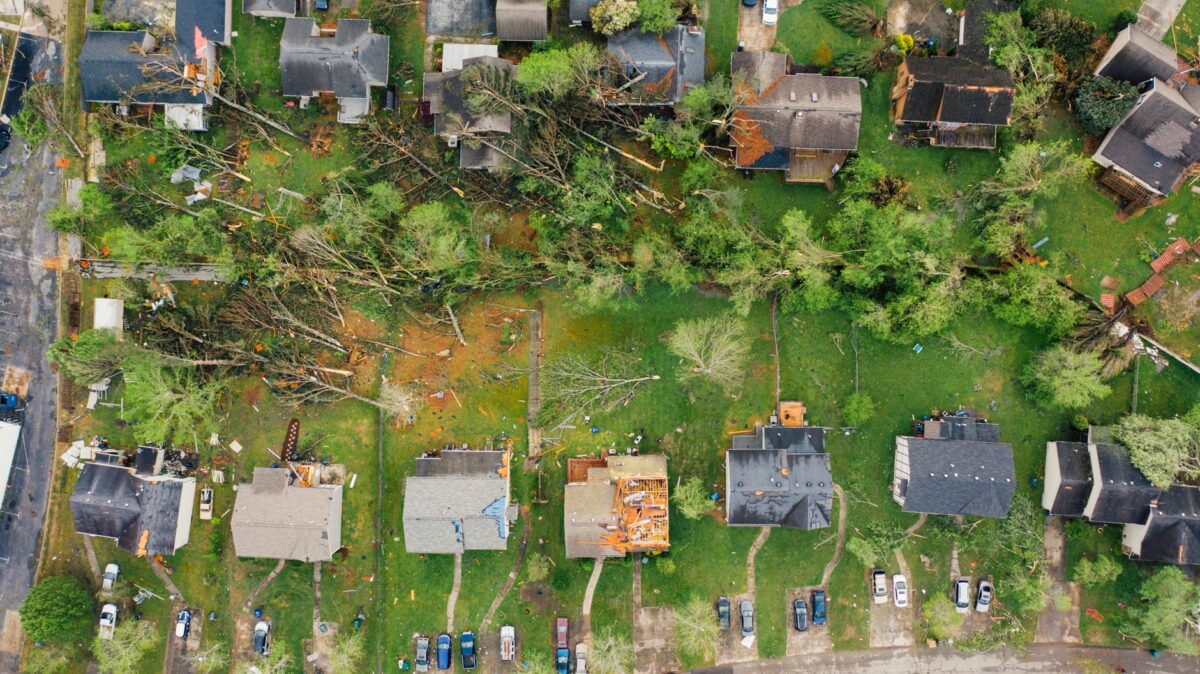
Heavy rains and storm surges associated with hurricanes can lead to extensive flooding and water damage.
Examples: Hurricane Irma (2017) caused widespread flooding and structural damage across Port St. Lucie, necessitating extensive water damage restoration efforts.
Heavy Rains
Heavy or persistent rains can overwhelm drainage systems, causing water to leak into residences and commercial buildings.
Examples: In June 2020, the city experienced heavy rainfall, which led to localized flooding and water intrusion in several neighborhoods.
Plumbing Issues
Broken pipes, dripping faucets, and malfunctioning water heaters can cause significant water damage.
Examples: A common example is a burst pipe during winter, resulting in significant water damage to homes.
Preventative Measures and Maintenance Tips
Preventing water damage involves regular maintenance and preparedness. Here are some measures:
Preventative Measures
- Regular Inspections: Periodically inspect plumbing systems, roofs, and foundations for signs of wear and potential leaks.
- Proper Drainage: Make sure water is directed away from the property and that the gutters and downspouts are free of debris.
Maintenance Tips
- Plumbing Checks: Regularly check and maintain plumbing fixtures to prevent leaks and bursts.
- Roof Maintenance: Inspect and repair roofs to prevent water intrusion.
- Appliance Maintenance: Ensure appliances like water heaters and washing machines are in good working condition.
Emergency Preparedness Advice
- Emergency Kits: Keep an emergency kit with essential supplies, including a flashlight, batteries, and first aid supplies.
- Emergency Plans: Develop and practice an emergency plan for your family or business.
- Insurance: Ensure your insurance policy covers water damage restoration.
Conclusion
Water damage can be a daunting challenge, but with the right knowledge and professional help, you can restore your property efficiently and safely.
Frequently asked questions
How long after water damage can mold start growing?
Mold can begin to grow within 24 to 48 hours of water exposure, which is why timing is essential. Proper drying reduces the risk significantly, while extended exposure to moisture weakens wood and drywall, causing warping and swelling. Postponing restoration tends to mean more damage and more expensive repairs, so quick action after a leak, storm surge or flood matters.
What equipment is used during water damage restoration?
Inspection uses moisture meters to measure moisture in materials and thermal imaging cameras to find hidden pockets in walls, floors and ceilings. Extraction relies on high-powered pumps for standing water and industrial-grade vacuums for carpets, padding and upholstery. Drying uses industrial dehumidifiers and air movers, and cleaning uses specialized cleaning agents plus antimicrobial treatments that stop mildew and mold growth.
What are the common causes of water damage in Port St. Lucie?
Hurricanes and tropical storms bring heavy rain and storm surge; Hurricane Irma in 2017 caused widespread flooding and structural damage across the city. Heavy or persistent rain can overwhelm drainage systems, as in June 2020 when localized flooding sent water into several neighborhoods. Plumbing problems such as broken pipes, dripping faucets and malfunctioning water heaters round out the common scenarios.
How do I choose a water damage restoration company in Port St. Lucie?
Look for IICRC certification, extensive experience with restoration projects, 24/7 emergency availability, and good online reviews and references. Four companies with offices in Port St. Lucie along with their published details, but it has not assessed them, does not rank them and does not recommend individual firms. Check a mold license on the state's DBPR search and read your policy before hiring anyone.
How can I prepare my Port St. Lucie home for water damage?
Periodically inspect plumbing, roofs and foundations for wear and leaks, keep gutters and downspouts clear so water flows away from the property, and maintain appliances such as water heaters and washing machines. Keep an emergency kit with a flashlight, batteries and first aid supplies, develop and practice an emergency plan, and make sure your insurance policy covers water damage restoration.
Before you hire anyone
Check the license, and know what your policy covers, before restoration starts in Port St. Lucie
Florida licenses mold assessors and mold remediators through the Department of Business and Professional Regulation, and any license can be verified on the department’s public search. The Department of Financial Services explains what a homeowners policy has to do after a claim and how long an insurer has to respond, and the Division of Emergency Management explains why flood is the standard exclusion and what to do after one. We are a publication, not a restoration company, and we do not recommend individual firms.
Florida mold licensing and the DBPR license searchHomeowners insurance claims (Florida DFS)Floods and flood insurance (Florida DEM)More on water and storms
Water damage guides for other Florida cities
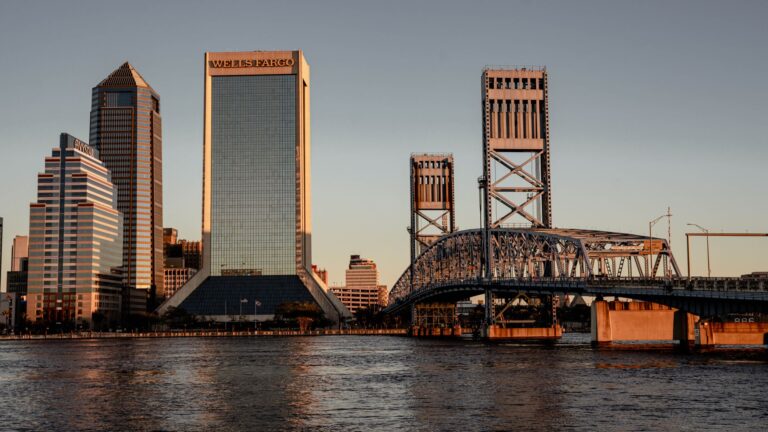
Jacksonville
The common causes, the restoration process, mold and emergency work, and how a claim runs.
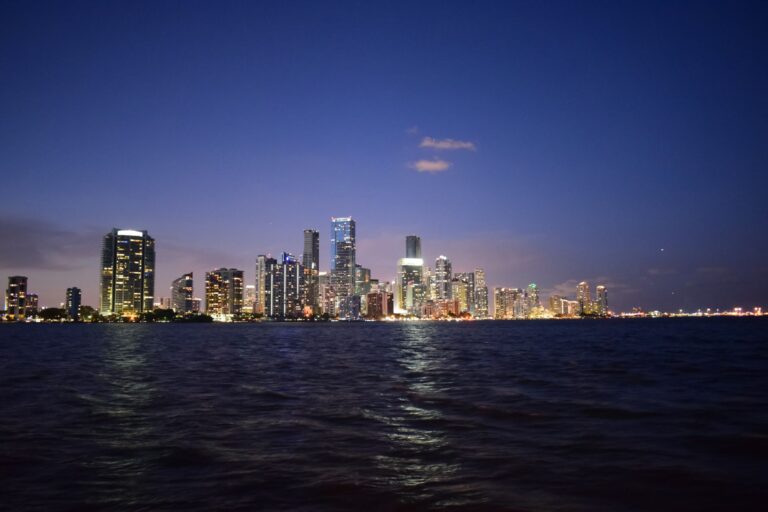
Miami
The common causes in a hurricane city, the restoration process, choosing a company and prevention.
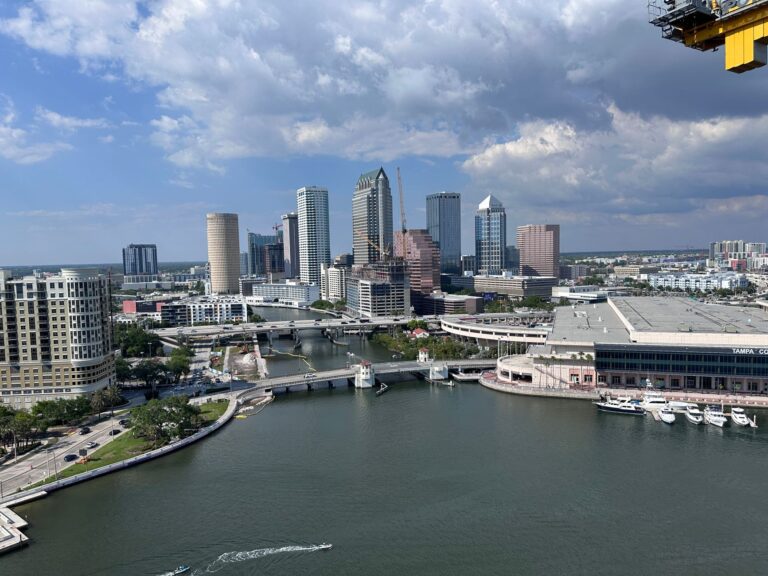
Tampa
The restoration process, the local industry, repair costs and insurance claims, and prevention.
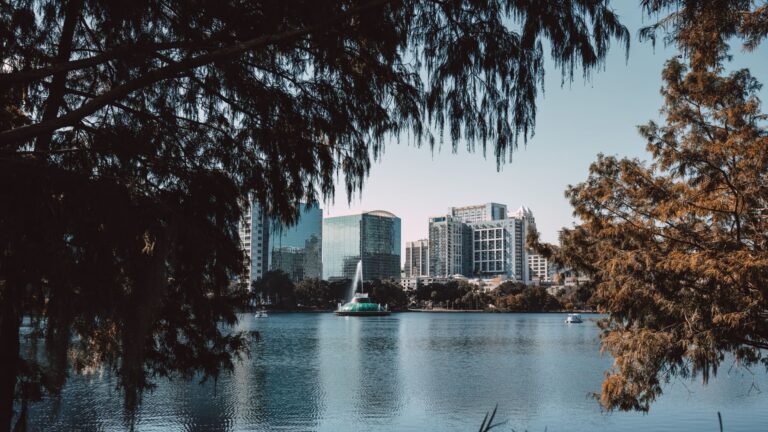
Orlando
An overview of restoration in the city, choosing a company, claims and prevention.
St. Petersburg
The types of restoration service, insurance claims, the process and why certification matters.